
01 · BLEND-IN
Liquid & paste blending
A small loading in your current formulation. Disperses evenly, without clumping, across resin and MTA sealer matrices.
2.5 wt%meets ISO 6876
Nano-Switching Antimicrobial Compound
PURIONIC responds to bacterial growth, indoor light, or contact with body fluid, and acts only then. It drops into your existing process and adds lasting value to your product.
UseRoot canal sealers · beauty · foot-care ingredients
01 · At a glance
From one core technology, MEDINEXT has built three lines covering bacteria, viruses and implant-surface infection. Efficacy and safety data come first, so partners skip months of groundwork and go straight to application testing.
E. coli in 1 min, T. rubrum in 24 h
3 min under indoor light, no UV needed
Blend, pellet or roll-coat into the process you run today
Cytotoxicity, skin irritation and acute dermal toxicity to international standards
02 · Industry challenge
These are the four walls R&D and sourcing teams hit when they evaluate conventional antimicrobial additives.
1 in 5 implant patients develops peri-implantitis
Additives hurt strength, curing and flow, so the product has to be redesigned.
Release-type materials such as silver ions keep leaching out and lose strength.
Conventional TiO₂ photocatalysts need UV and do little under indoor lighting.
Every new material needs safety data built from scratch, which delays launch.
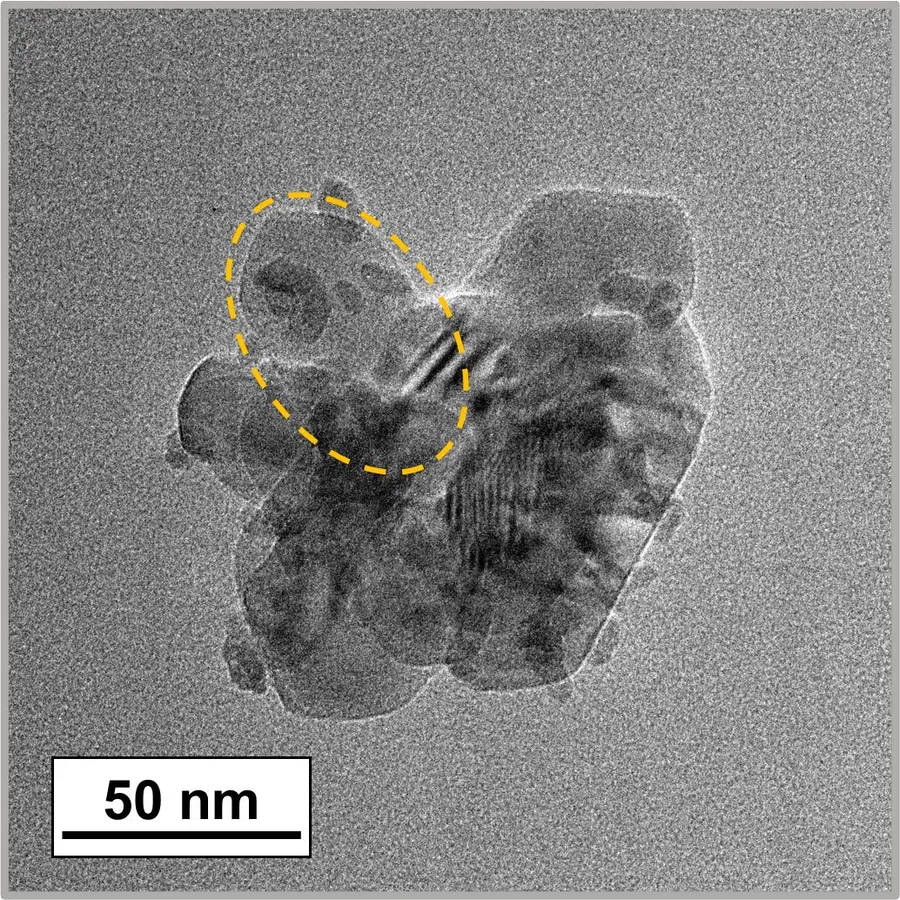 TEM · PURIONIC-B · 50 nm
03 · Technology · 50 nm
The Nano-Switching Compound does not constantly give something off. Its function switches on when the environment calls for it: bacterial growth, indoor light, or contact with body fluid. The same core technology yields three lines: B, V and I.
Responds to the local micro-environment of an infection
99.99% of E. coli in 1 min
Dental, beauty, foot care
Visible light (λ>400 nm), no UV
Interfacial charge transfer (IFCT) · 99.9% in 3 min
HVAC, appliances, film, senior care
Responds to the body's phosphate environment
Turns into a nanoflower surface · keeps 90%+ antibacterial activity
Implant surface treatment
Comparison basis: public materials from leading silver-based antimicrobial suppliers
04 · Efficacy · 90 mm dish
PURIONIC-B inactivates E. coli, S. aureus, C. acnes, T. rubrum and E. faecalis, a leading cause of root-tip infection, after short exposure. Drag the slider to compare the culture plates before and after.
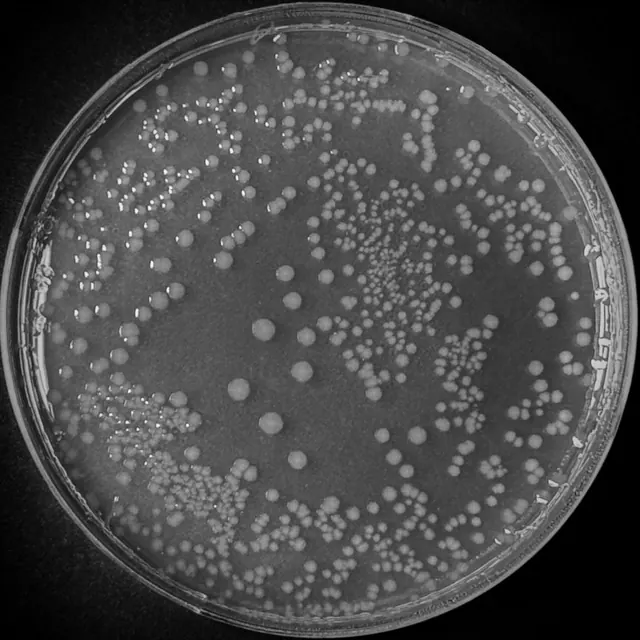
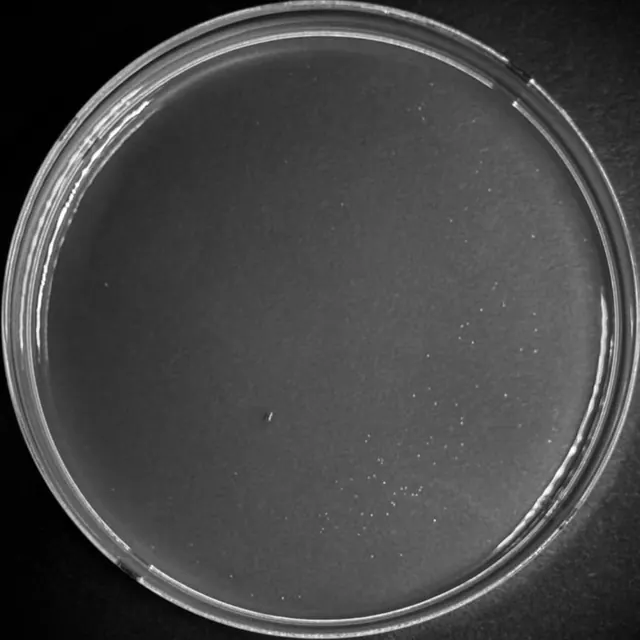 BeforeAfter
E. coli · 1 min contact
Bar end = contact time at which the kill rate was measured. PURIONIC-B, source: MEDINEXT catalogue v2
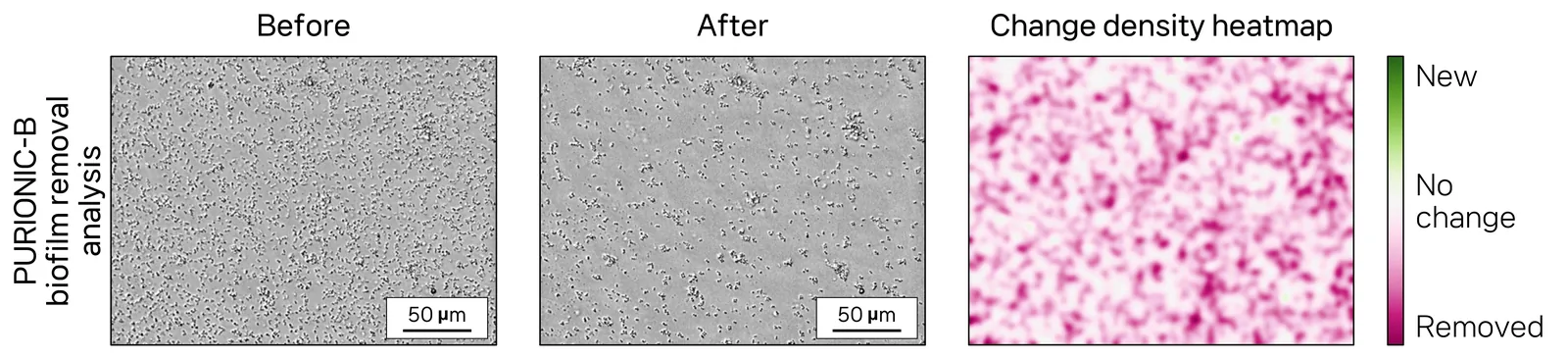
It strips biofilm from surfaces even in a dynamic environment with constant fluid flow. Magenta in the heatmap marks removed areas.
Conventional TiO₂ photocatalysts activate only under high-energy light such as UV. PURIONIC-V responds to visible light right away. Test virus Phi X 174, λ>400 nm.
Electrospun filter: inactivation rate under light vs. dark
PDMS: initial performance kept after 5+ cycles and 3 weeks
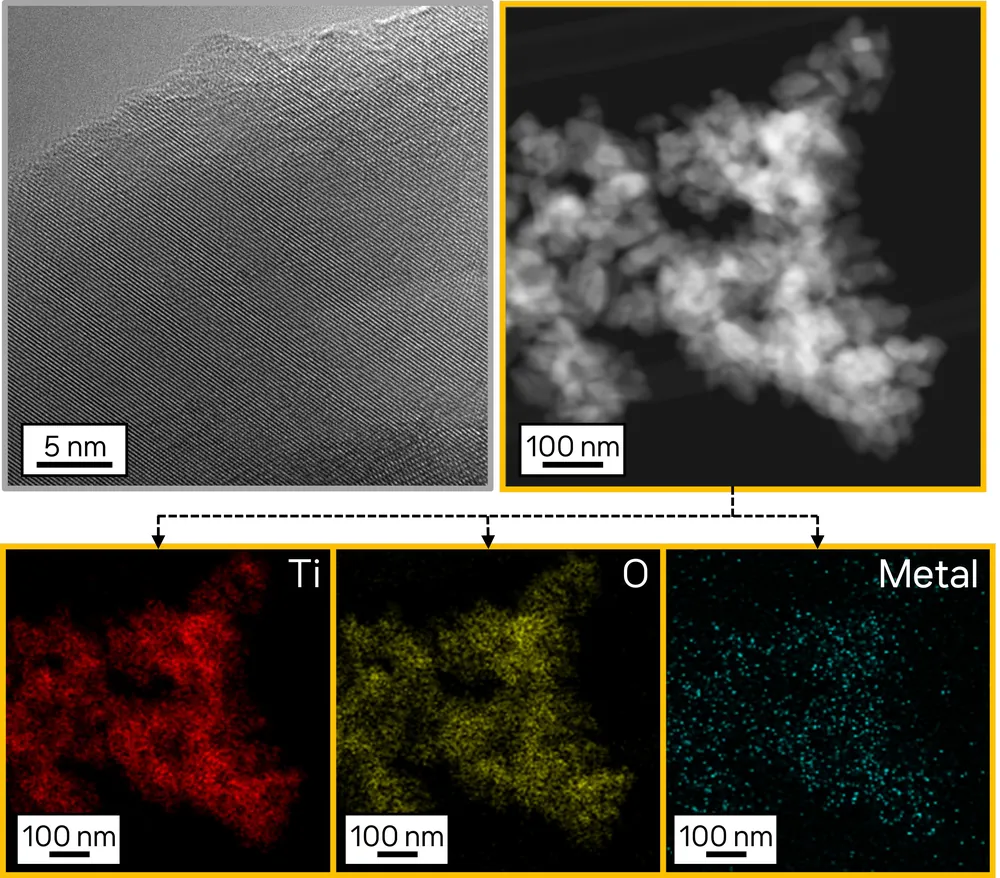
PURIONIC-V · TEM and elemental mapping
FUNGI · T. RUBRUM · OFFICIAL TEST REPORT
99.99%
Athlete's foot and nail fungus pathogen eliminated in 24 h
05 · Safety
Data secured up front shortens your evaluation and regulatory preparation. Any additional items your product category needs are defined together during the PoC.
Cell viability, above the 70% threshold
ISO 10993-5Cell viability, above the 70% threshold
ISO 10993-5No erythema or oedema; non-irritant
GHS0% mortality at 2,000 mg/kg; GHS Unclassified
OECD TG 402Even at high concentration, both mouse fibroblasts and periodontal ligament fibroblasts met the non-cytotoxic criterion. The dashed line is the ISO 10993-5 threshold of 70%.
| Test | Standard | System · conditions | Result |
|---|---|---|---|
| Cytotoxicity (B) | ISO 10993-5 | L929 mouse fibroblasts · HPdLF periodontal ligament fibroblasts, up to 70 µg/mL | Viability 83.7% / 82.4%, non-cytotoxic |
| Cytotoxicity (V) | ISO 10993-5 | L929 mouse fibroblasts, up to 100 µg/mL | Viability 83.6%, non-cytotoxic |
| Skin irritation & corrosion | GHS | Rabbit skin, 4 h direct application, observed up to 72 h | Score 0.0, non-irritant |
| Acute dermal toxicity | OECD TG 402 | SD rat (female), single 24 h dermal patch, 2,000 mg/kg B.W., 14-day observation | 0% mortality, no systemic or organ findings, GHS Category 5 / Unclassified |
06 · Drop-in integration · 50 µm
No new line needed. Pick the material form that fits your process and run trials on the equipment you already have. We find the optimal loading for each form together in the PoC.
A small loading in your current formulation. Disperses evenly, without clumping, across resin and MTA sealer matrices.
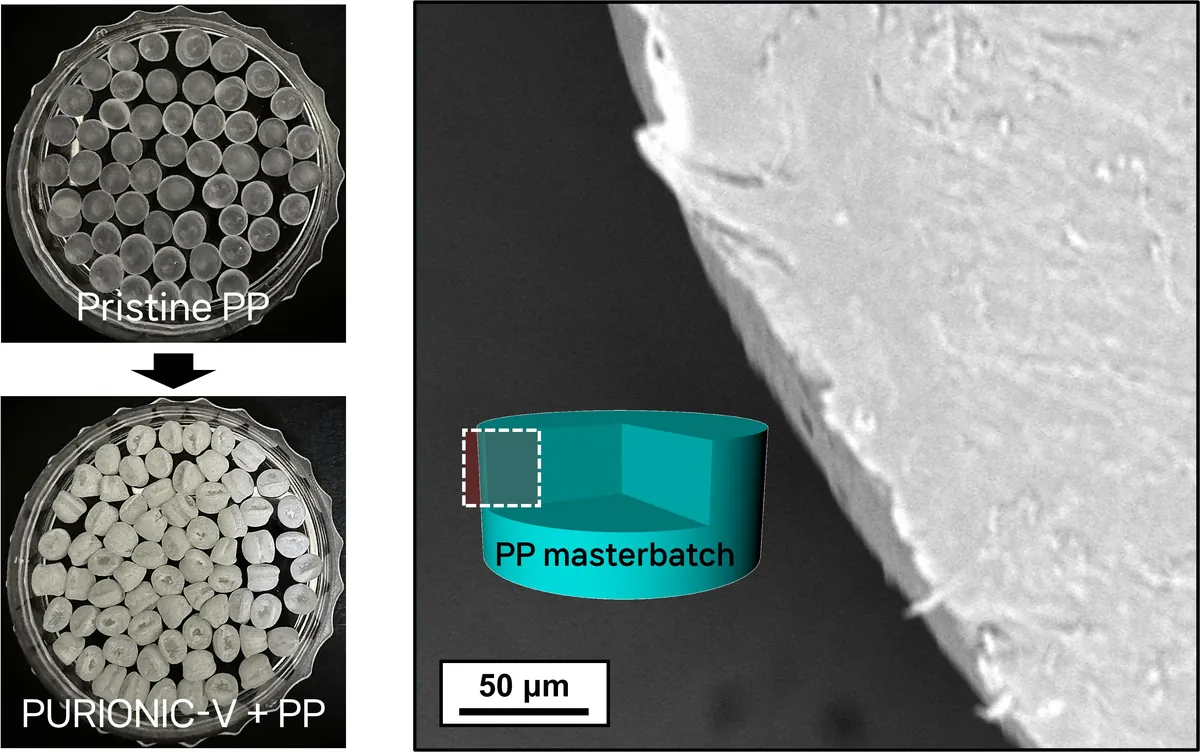
Supplied as masterbatch for existing extruders. The active phase gathers at the surface, so mechanical and thermal properties hold.
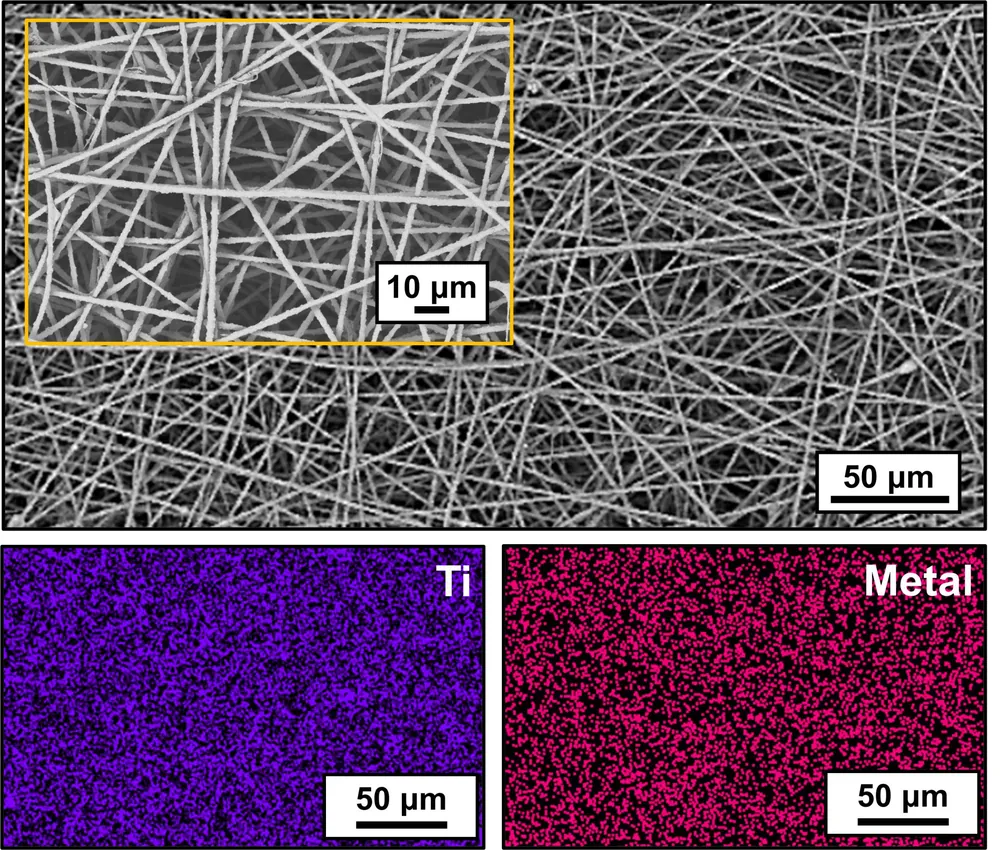
Spreads evenly through the nanofibre network and scales on existing roll-to-roll lines.
Surface segregation moves the hydrophilic particles to the hydrophobic polymer's surface, concentrating them where they work.
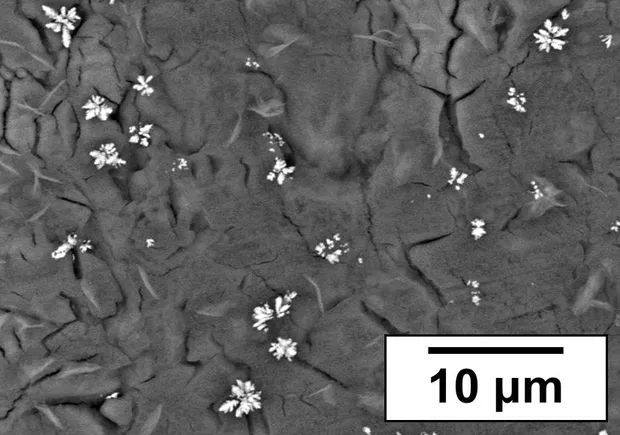
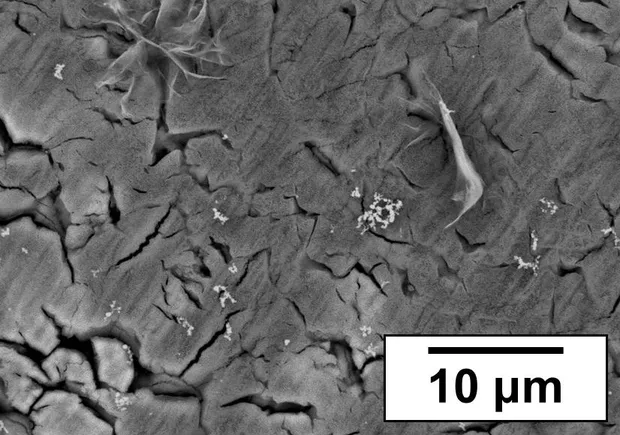
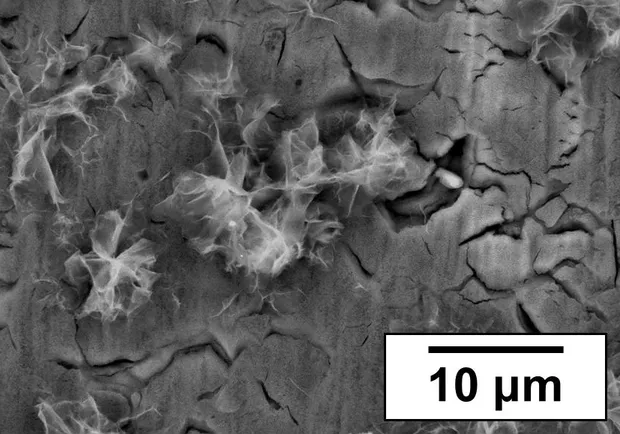
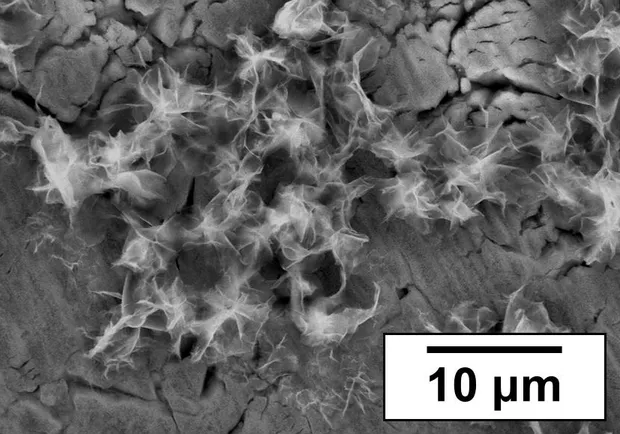
07 · Case studies · 10 µm
Root canal sealers and implant surfaces are among the hardest places to control infection. PURIONIC added antibacterial function in both while preserving each product's core performance.
It suppresses stubborn E. faecalis, which hides deep in micro-structures, within an hour, cutting the risk of early reinfection. Sealer makers can launch an antibacterial sealer by changing only the formulation.
ISO 6876 · 3 KEY PROPERTIES MET
 0 h
STAGE 1 · KILL
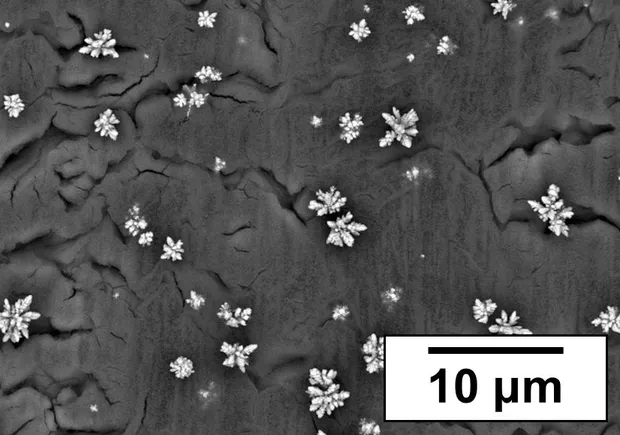
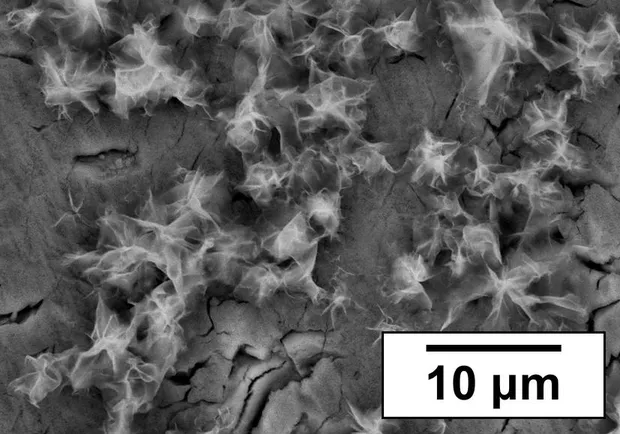
PURIONIC-I changes its own nanostructure in response to the body's phosphate environment. Over 24 hours in body fluid the surface becomes a nanoflower structure that is superhydrophilic, so water spreads across it at once. That draws in blood and proteins and speeds osseointegration.
Surface and cell study results · Kim et al. (2026) · source: catalogue v2
08 · Applications
Product categories not listed here can be evaluated too, as long as the form fits: blending, pellets or roll processing.
Root canal sealers, implant surfaces, antibacterial device coatings
HVAC filters, air-purifier filters, appliance plastic parts
Silicone goods, film, pads and other high-touch surfaces
Cosmetic and foot-care ingredients, insoles, socks and textiles
PP masterbatch, compounds, moulded parts
Hospital pads and masks, senior-care products
09 · Readiness
Dark bars mark the programmes a partner can move into a PoC fastest. The right column is each programme's next step and your opening.
Stages based on catalogue v2 test data
10 · Partnership
Choose the model by what you're after: fast launch, your own product, or the technology itself. Every engagement starts with an NDA and a small PoC.
Apply a validated ingredient straight to your formulation.
Optimise the formulation together, then secure long-term supply after launch.
Delivered as pellets, filter or pad material for your existing line.
License the technology for high-value products and commercialise together.
Agree the target product, performance goal and evaluation criteria.
We propose the material form and loading for your process and ship samples.
Test efficacy, properties and safety against your own criteria.
Trial-produce on existing equipment to confirm quality and scalability.
Finalise supply terms or licence conditions.
11 · Team
Synthesis, quality and regulatory, clinical validation and commercialisation all sit in one team. Each function lead is your direct PoC contact.

Chief Executive · commercialisation & strategy
B.S. Biotechnology, Yonsei University; M.S., Yonsei Graduate School of Dentistry. Leads medical and bio product commercialisation and clinical strategy.
 COO
Business development · fundraising · operations
Monash University (Australia), business. Developed many dental-care products, holds multiple patents, 15 years running a lab
 CPO
Product lead · planning · PM
Chung-Ang University, industrial design. 10 years planning and developing healthcare devices; ODM and many R&D projects
 QA · RA
Quality & RA · medical devices
Yonsei electrical engineering; M.S., Yonsei Graduate School of Information. Formerly Lotte Data Communication and Lotte Members; quality and regulatory files
 CLINICAL
Clinical & product validation
Yonsei nursing; M.S., Pusan National University School of Dentistry. Owns applicability and usability validation
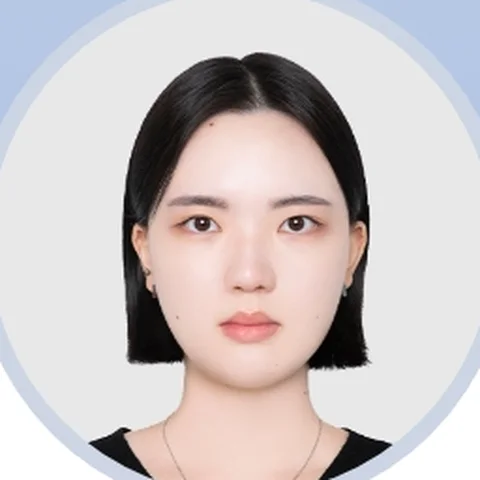 R&D
Principal researcher
B.S. and M.S. chemical engineering, KOREATECH. Nanomaterial synthesis, analysis and performance testing
Advisory group
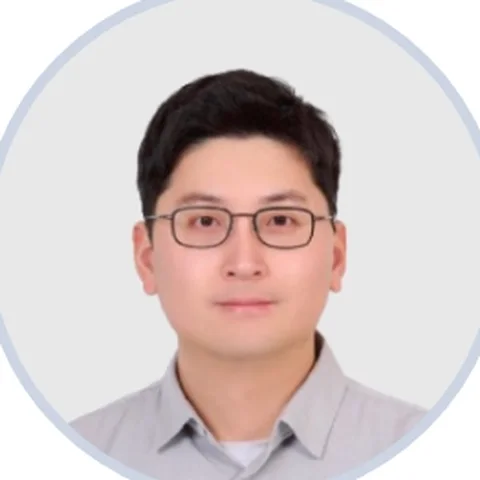
Professor, KOREATECH School of Energy, Materials & Chemical Engineering. Functional nanomaterials and energy-bio convergence materials

Professor of Biomedical Engineering, Johns Hopkins University. Director, JHBIC
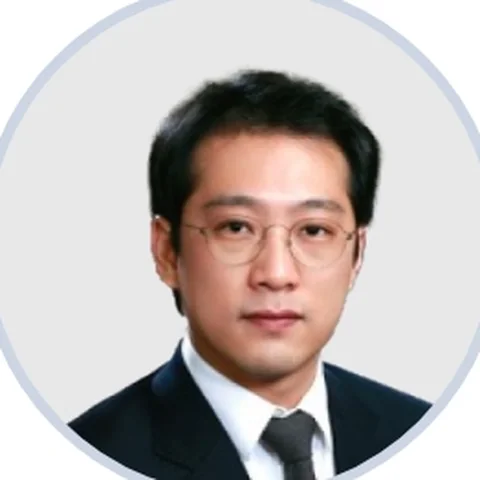
Professor of Oral & Maxillofacial Surgery, Ewha Womans University College of Medicine. Director, Ewha Refractory Osteonecrosis of the Jaw Research Center; first academy fellow in dentistry
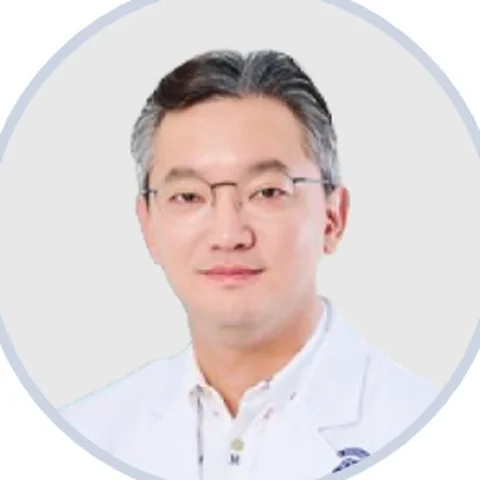
Professor of Otorhinolaryngology, Yonsei University College of Medicine. Academic director, Korean ORL society
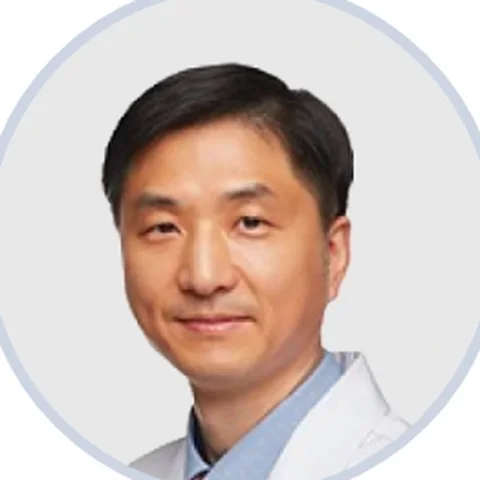
Professor of Pediatric Dentistry, Yonsei Dental Hospital. Academic director, Korean Academy of Pediatric Dentistry
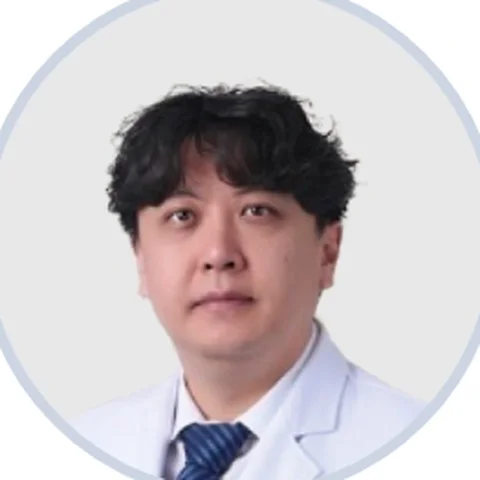
Professor of Dental Biomaterials, Yonsei College of Dentistry. MFDS international standards expert

Managing Director, Investment Division, Lindeman Asia Investment. US CPA

Managing Partner, DOHA Law Firm
MEDINEXT Co., Ltd. · CEO Jungu Kang
Selected for TIPS · Seed KRW 200M (JNPMEDI, Incheon & Gangwon CCEI)
3 patents filed, 2 granted
HQ: Chuncheon ICT Venture Center · Lab: Gasan-dong, Seoul
Let's build it together
Tell us the product and process you have in mind, and we'll propose tailored samples and a PoC plan.
PoC, co-development and investment